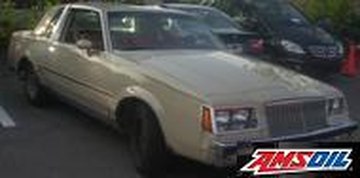
Engine Lubrication and Maintenance for the 1983 Buick REGAL 4.1L
Maintaining the lubrication system of a 1983 Buick REGAL equipped with the 4.1L engine requires consistent attention to fluid integrity and component condition. As vehicles age, the methods used to monitor and preserve engine health become increasingly important for ensuring continued operation. Proper maintenance involves more than just periodic fluid changes; it requires a proactive approach to inspecting various engine-related components and understanding how different lubricants interact with older mechanical systems.
Monitoring Fluid Integrity and Potential Seepage
One of the most effective ways to monitor the health of the 4.1L engine is through regular visual inspections for fluid loss. Over time, various seals and gaskets may undergo changes in their ability to maintain a tight barrier against pressurized fluids. When performing routine checks under the hood or beneath the vehicle, look for signs of wetness or dark staining around sealing surfaces.
If you notice any evidence of seepage, it is important to investigate the source. While small amounts of residue can sometimes be attributed to surface contamination, consistent moisture or dripping indicates a need for closer inspection. Identifying these issues early can help prevent more significant fluid loss. Additionally, pay attention to the appearance of the oil on the dipstick. If the lubricant appears excessively dark, gritty, or has a milky consistency, it may indicate contamination or that the service interval has been exceeded.
Observing Changes in Engine Operation
The way an engine behaves during operation can provide valuable clues regarding its lubrication status. Owners should remain observant of any new or unusual sensations while driving or idling. For instance, changes in how the engine sounds may warrant a closer look at the mechanical components. While many sounds are normal for a vehicle of this era, sudden or rhythmic noises that coincide with engine speed should not be ignored.
Furthermore, keep an eye on any dashboard indicators. If a warning light appears, it requires immediate investigation to determine the cause. It is also useful to monitor the exhaust for any unusual smoke patterns. While symptoms can have many different origins, changes in exhaust color or odor can sometimes be associated with how the engine is managing its internal fluids. Always remember that a single symptom does not provide a definitive diagnosis; rather, it serves as a signal to perform a more thorough inspection of the system.
Prioritizing Long-Term Engine Care
For owners of a 1983 Buick REGAL, effective maintenance is often about distinguishing between necessary repairs and preventive measures. Rather than following a rigid schedule based solely on the age of the vehicle, it is more practical to base service priorities on the actual condition of the engine and its components.
If you are managing a vehicle with an incomplete service history, establishing a maintenance baseline is a helpful first step. This involves performing a comprehensive inspection of all fluids, belts, and hoses to determine their current state. Once a baseline is established, you can better track changes over time. For example, if you notice that the engine requires more frequent fluid top-offs than it did six months ago, you have identified a trend that warrants professional attention.
Maintaining detailed records of all completed services—including the dates, mileage, and specific products used—is highly beneficial. These records allow you to identify patterns, such as how certain lubricants perform under your specific driving conditions or when certain components might be approaching the end of their service life. This organized approach helps in making informed decisions about whether to address a minor seepage now or monitor it for a longer period.
Inspecting Auxiliary Engine Components
A complete maintenance routine should extend beyond just the oil itself. If equipped, various drive belts and hoses should be inspected for signs of deterioration. For belts, look for evidence of cracking, glazing, or fraying along the edges. Hoses should be checked for any signs of softening, swelling, or brittleness, as well as any visible leaks at their connection points.
Electrical connections and wiring harnesses also benefit from periodic inspection. Ensuring that connectors are secure and free from corrosion can prevent intermittent issues that might otherwise complicate engine performance. Additionally, if the vehicle is equipped with an air filtration system, ensuring the filter is clean is a fundamental part of maintaining proper engine breathing and preventing contaminants from entering the combustion process.
Managing Lubricant Selection for Aging Engines
As engines age, the choice of lubricant can become a more nuanced decision. Some high-mileage oil formulations contain additives intended for use in aging engines. These specialized lubricants may include seal-conditioning additives designed to help maintain the flexibility of various gaskets and seals. While these are not a substitute for repairing significant leaks, they can be a useful component of a maintenance strategy for vehicles with higher mileage.
The type of lubricant used—whether conventional, a synthetic blend, or a full synthetic—can also impact how the engine manages heat and resists the buildup of deposits. Synthetic lubricants often provide different levels of thermal stability and oxidation resistance compared to conventional oils. However, the most important factor is ensuring that any selected product meets the specific requirements for your particular application.
Buying Engine Oil for the 1983 Buick REGAL 4.1L
When you are ready to purchase new lubricant, it is essential to match the engine oil to the application-specific viscosity information already displayed on this page. Do not rely on general knowledge or assumptions based on the vehicle's age to determine which grade to use. Instead, always verify that the product you select aligns with the specific viscosity and service requirements listed in your vehicle's documentation provided here.
Before completing your purchase, carefully check the product labeling to ensure it meets the appropriate API certification for your needs. If you are considering high-mileage formulations or synthetic options, confirm that they are compatible with your current maintenance goals. By strictly adhering to the application information shown on this page, you can ensure that you are providing the correct level of protection for your 1983 Buick REGAL 4.1L.